Begin with the Practical Details
A group dinner is easier to arrange when one person gathers the essentials. Start with a possible date, the approximate guest count, and the reason for meeting. A birthday dinner may need a different pace from a short work meal, even with the same number of guests.
Call the kitchen before settling everyone on a plan, especially when the group is larger than the choices in the request form. The team can discuss seating and current availability. Keep the arrangement provisional until it has been confirmed directly, then share the details with your guests.
Make Food Preferences Part of Planning
Ask guests about dietary needs or allergies early, then discuss those details with the team. A menu description helps people choose, but it cannot answer every question about ingredients or preparation. Avoid making promises on someone else's behalf before the kitchen has explained the available options.
Different appetites do not have to make the meal complicated. A shared salad, deviled eggs, or a side of potatoes can give the table a common beginning while everyone chooses a main. Check that shared dishes suit the people who intend to eat them before ordering.
Leave Room to Enjoy the Gathering
Think about arrival times and how long people can stay. If someone needs to leave early, mention that when discussing the meal. Clear expectations help the table settle in without turning the evening into a list of deadlines or leaving the team to guess your plans.
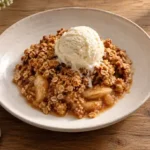
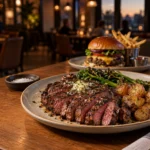
Once the practical details are handled, let the occasion have some breathing room. Pass a side, make a toast if you wish, and decide on dessert together. A successful group dinner is often remembered for the easy conversation as much as the steak, chicken, or final spoonful.